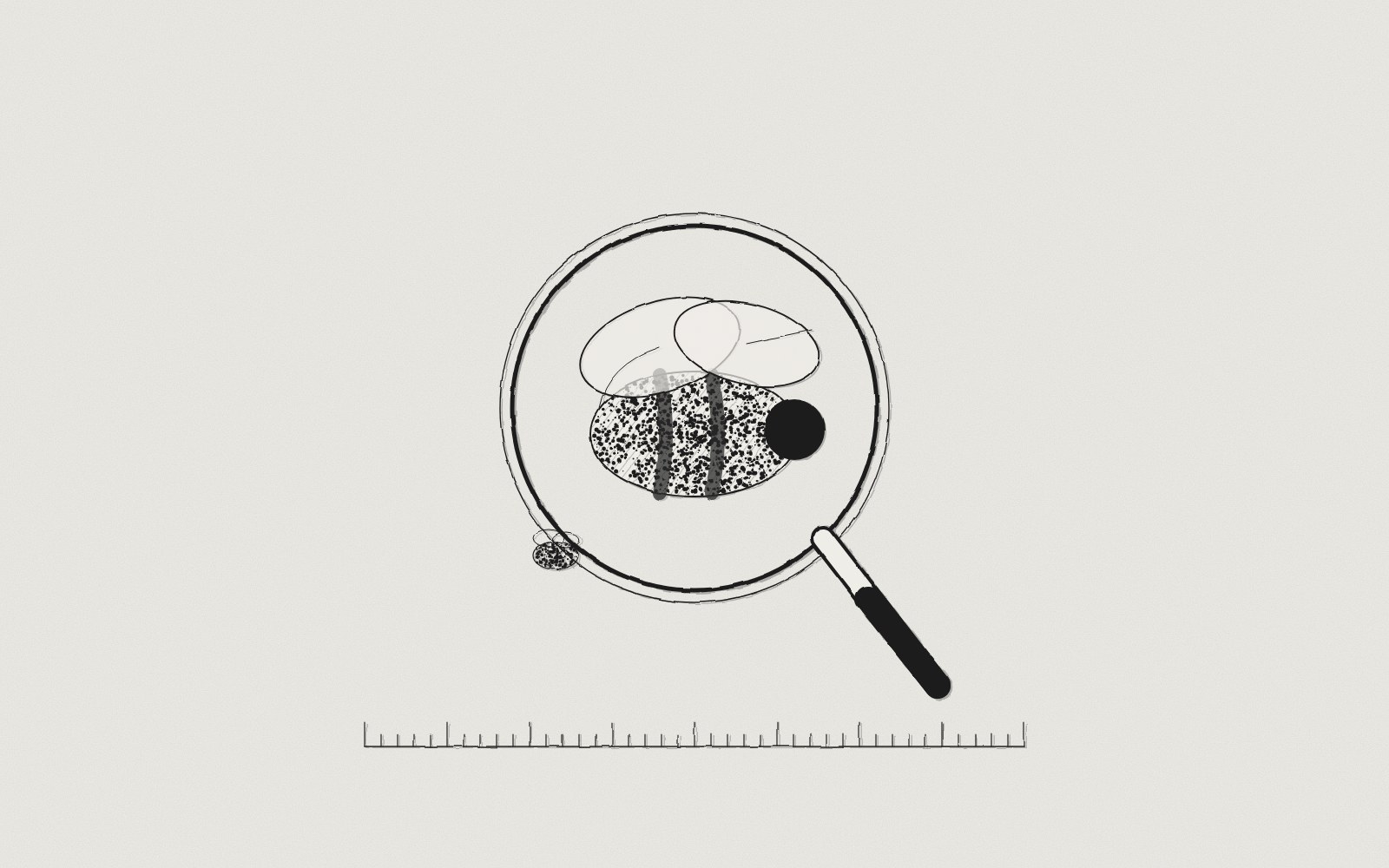
Microrealism Tattoos: What They Are and How Small Is Too Small
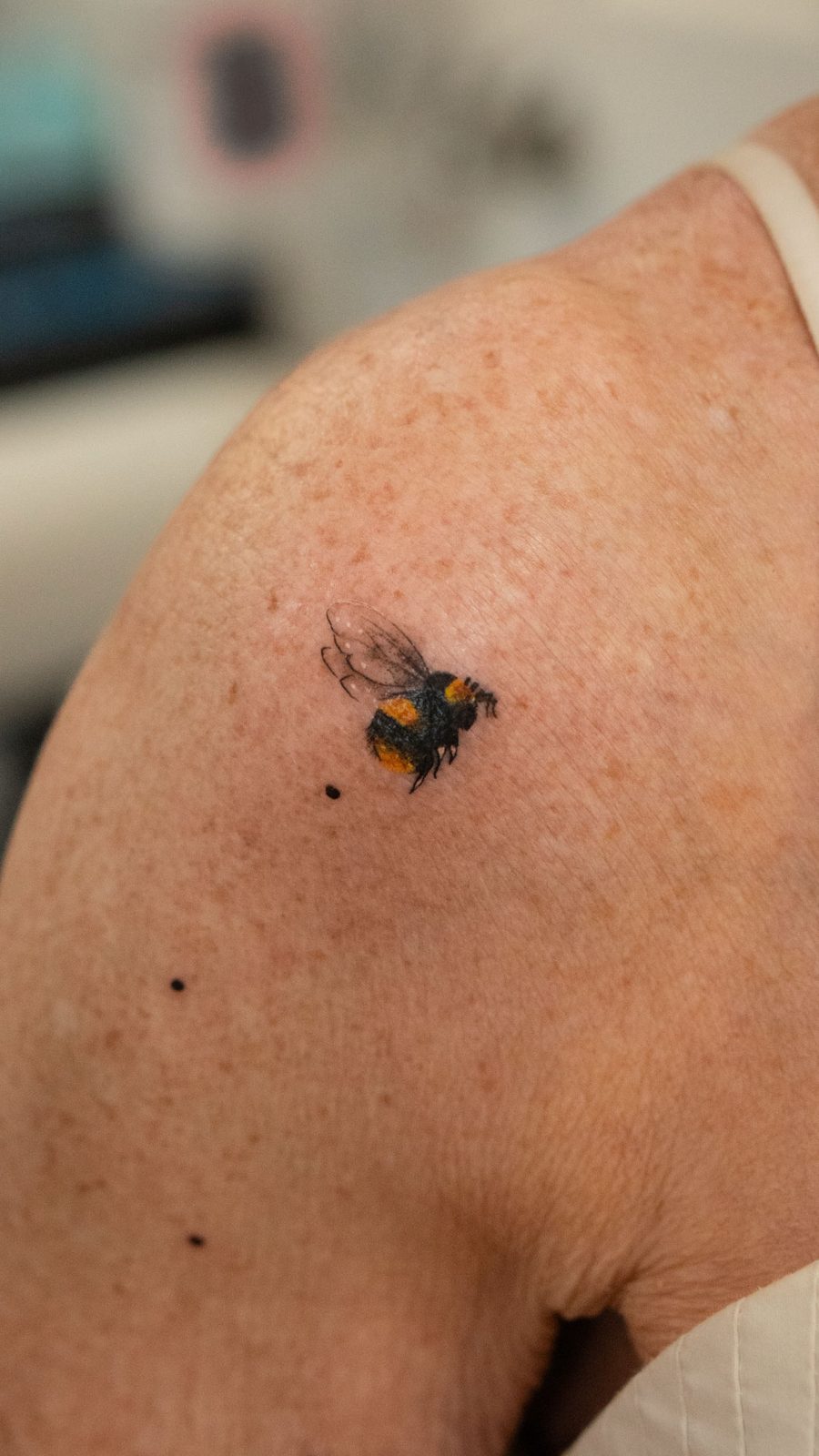
Microrealism fits a realistic scene — a bee, a seascape, a tiny portrait — into just a few centimeters. Done well, it feels like a painting on skin.
What microrealism is
Microrealism uses small needle groupings, soft shading and careful contrast to create realistic images at a small scale. Unlike simple outline tattoos, it relies on light and shadow — which is what makes a tiny bee look like it could fly off your shoulder.
Why size matters
Skin isn't paper. Over time, ink settles and spreads very slightly. That's fine for most designs, but in a very small tattoo with lots of detail, details can start to merge. The goal is to find the smallest size where the detail still reads clearly years from now — not the smallest size possible.
During your consultation, Ulas will recommend a size based on the level of detail you want and where it will be placed.
Best placements
- Shoulder and upper arm: a flat, stable surface that holds detail well.
- Inner forearm: easy to see, and less sun than the outer forearm.
- Calf and thigh: room for slightly larger scenes.
Hands, fingers and feet tend to fade faster with any style, and especially with fine detail.
Color or black and gray?
Both work. Black and gray microrealism has a timeless, photographic feel. Small touches of color — the yellow of a bee, the blue of the sea — can make a piece pop. In Florida's sun, consistent sunscreen is essential for both.
Microrealism vs fine line
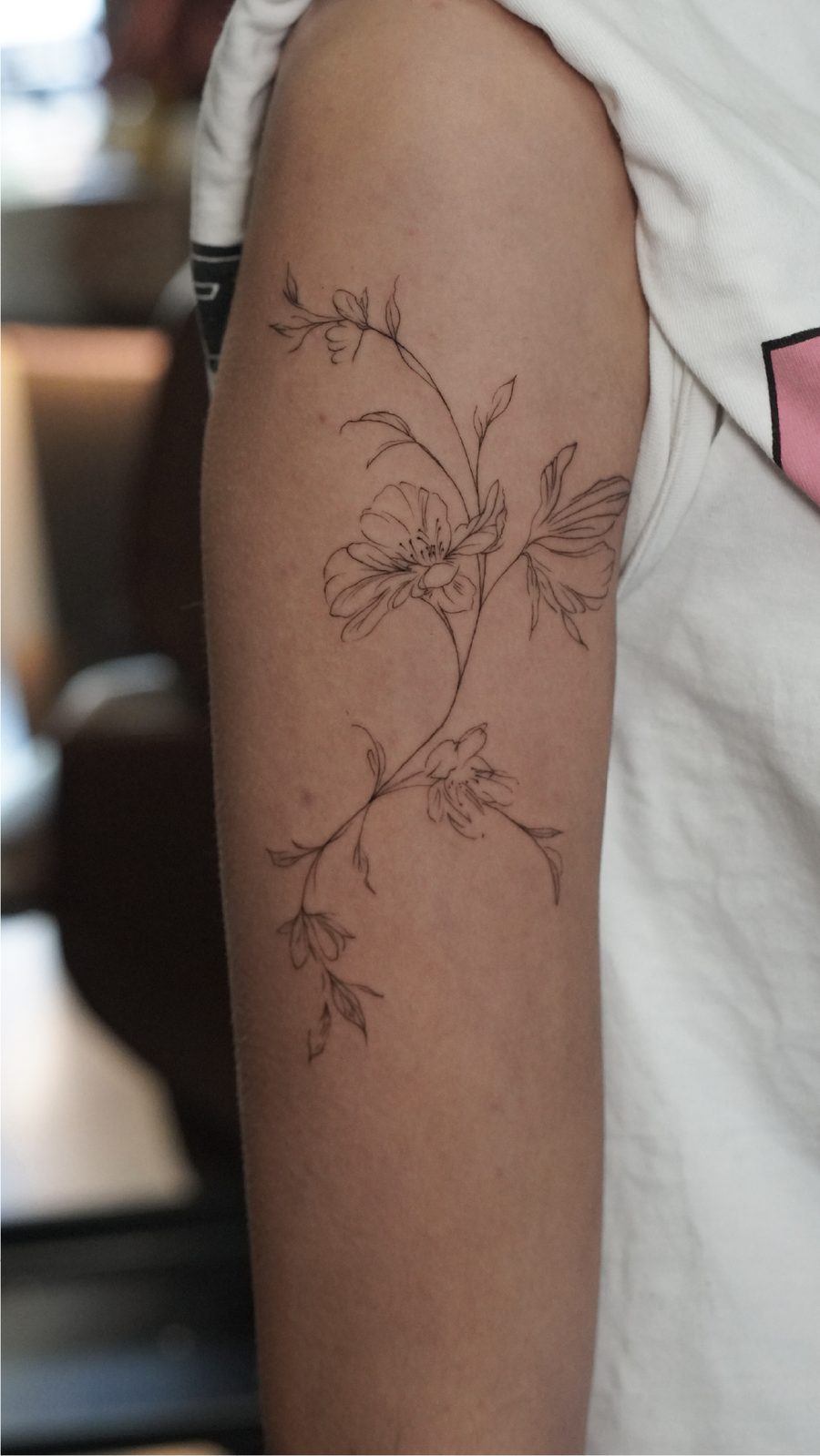
The two styles overlap, but they aren't the same. Fine line is built mostly from outlines and thin strokes. Microrealism builds an image with tone — soft gradients, highlights and shadows — so it looks like a photograph or painting at a small scale.
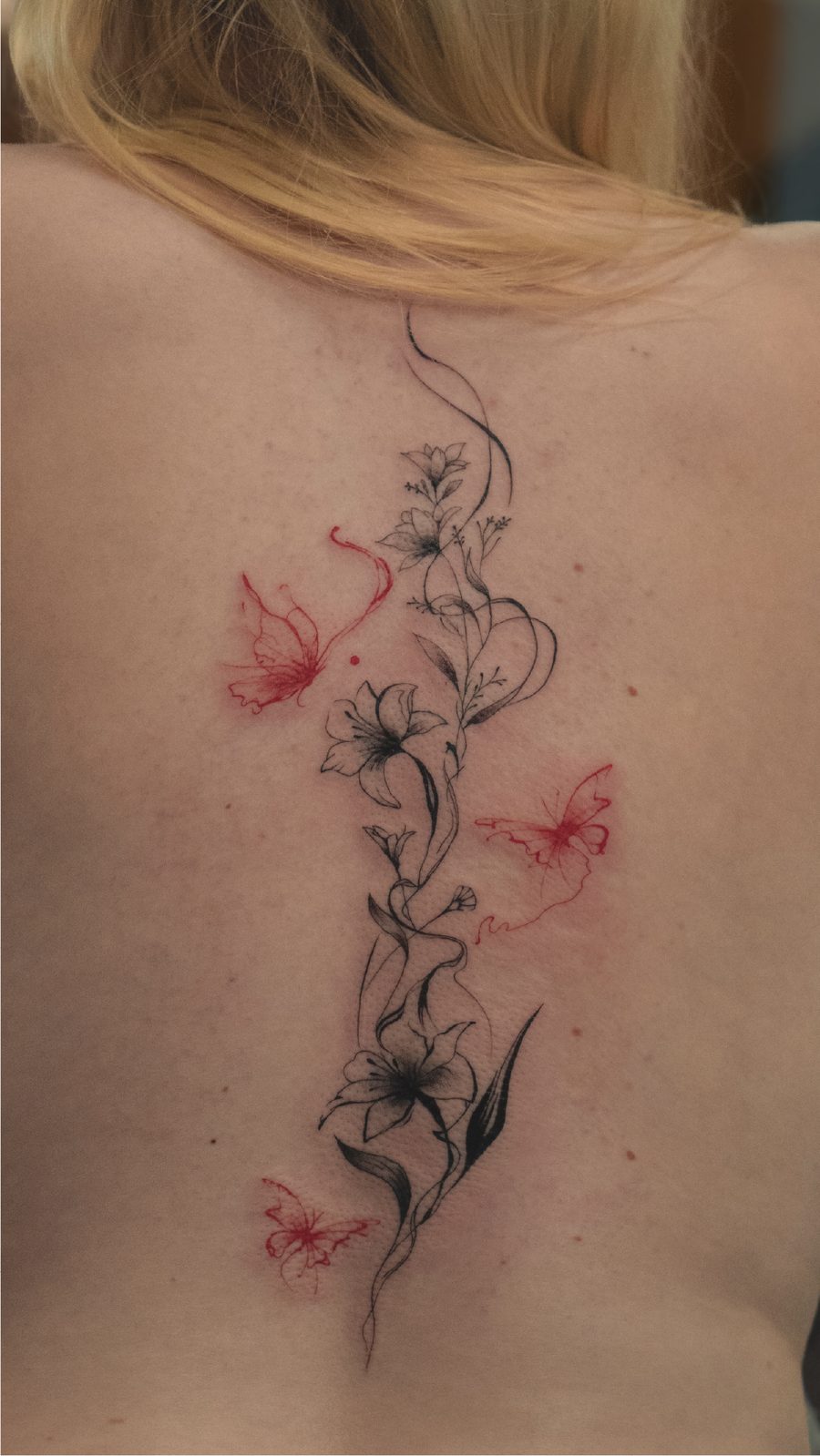
Many pieces combine both: a fine line floral frame around a tiny realistic subject, or a realistic insect resting on a delicate stem.
Popular microrealism ideas
- Insects: bees, butterflies and moths, often with a touch of color.
- Nature scenes: seascapes, sunsets, mountains or a single palm.
- Flowers: a single realistic bloom with soft shading.
- Meaningful objects: a small item with personal significance.
How to choose a good reference photo
Strong references make strong microrealism. Look for photos with clear lighting, good contrast and a simple background. Very busy photos with lots of tiny elements often need to be simplified — your artist will help decide what to keep so the tattoo still reads clearly at its final size.
How it heals and ages
Soft shading can look slightly cloudy during healing as new skin forms over the ink, then settles over the following weeks. Long-term, microrealism benefits from the same things as fine line work: the right size, the right placement and consistent sun protection — especially in Florida.
Frequently asked questions
How small can a microrealism tattoo be?
It depends on the detail. Your artist will recommend the smallest size where the image will still read clearly years from now.
Does microrealism last?
Yes, when it's sized correctly, placed well and protected from the sun once healed.
Is microrealism the same as fine line?
Not quite. Fine line relies mostly on outlines; microrealism builds a realistic image with soft shading, highlights and shadows.
Getting started
Bring reference photos you love and let your artist adapt them to tattoo-friendly proportions. Send your microrealism idea with your preferred size and placement, or see how it compares with fine line work in the Florida sun.
About the author
Ulas Can Sevim is an Istanbul-born tattoo artist with 12 years of experience, specializing in floral, microrealism and fine line tattoos. He tattoos by appointment in Orlando, Tampa and Miami, Florida.
See the curated work, read his story, or request an appointment.
Related articles
 Floral tattoos
 Microrealism
 Fine line tattoos
 Back pieces